
Celebrating city wide connections
Triennial 2025 by the numbers
The impact of public art appears in the moments when people gather, pause, and view a city, and one another, in a new light. For over 50,000 visitors, the 75+ cultural partners, 19 visionary artists, and generous donors who made Triennial 2025 possible, you felt it. You’ve helped start a movement of more—more art and more connection.
With all new commissions, we’ve helped reimagine how art can belong to everyone.
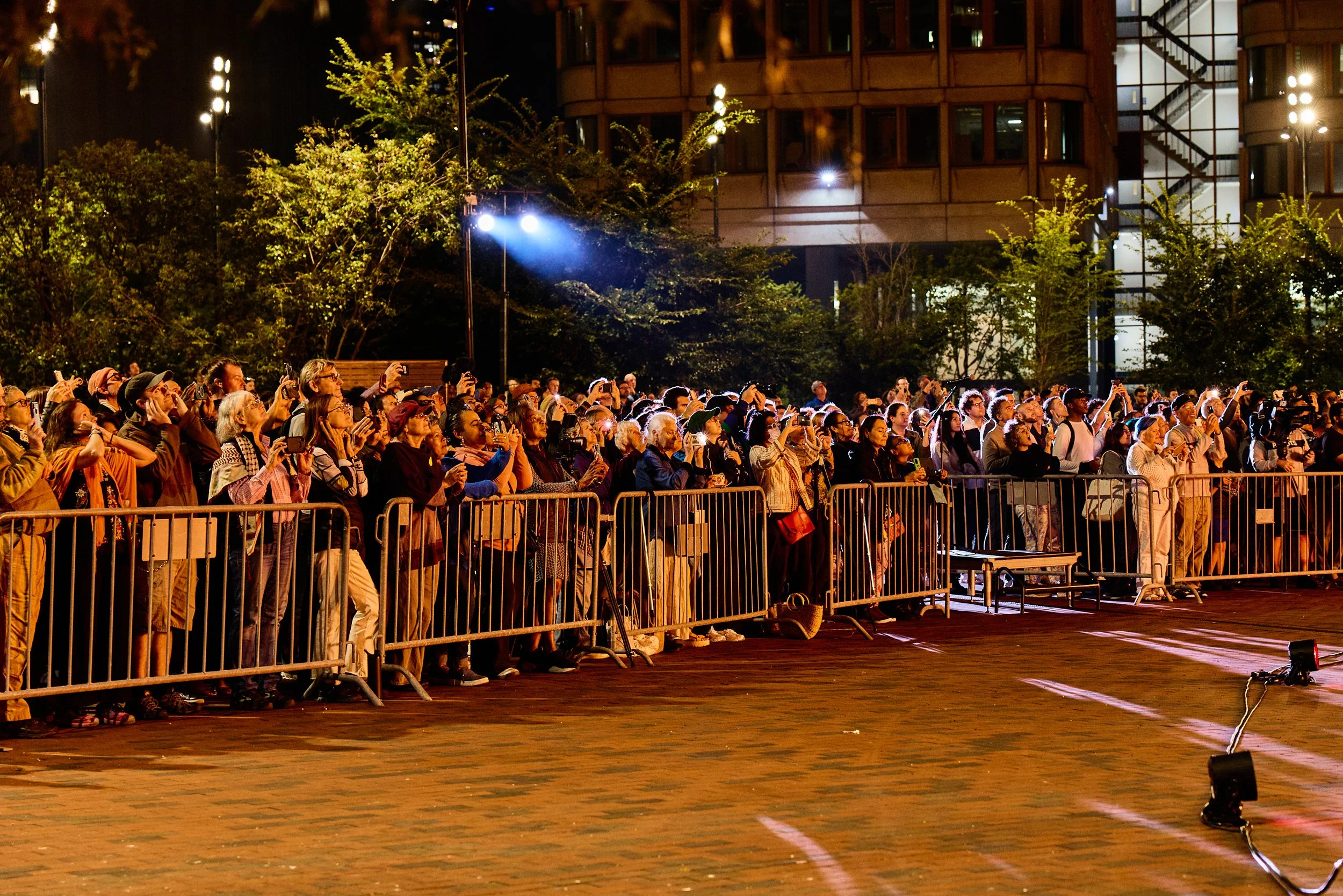

Views and Audience
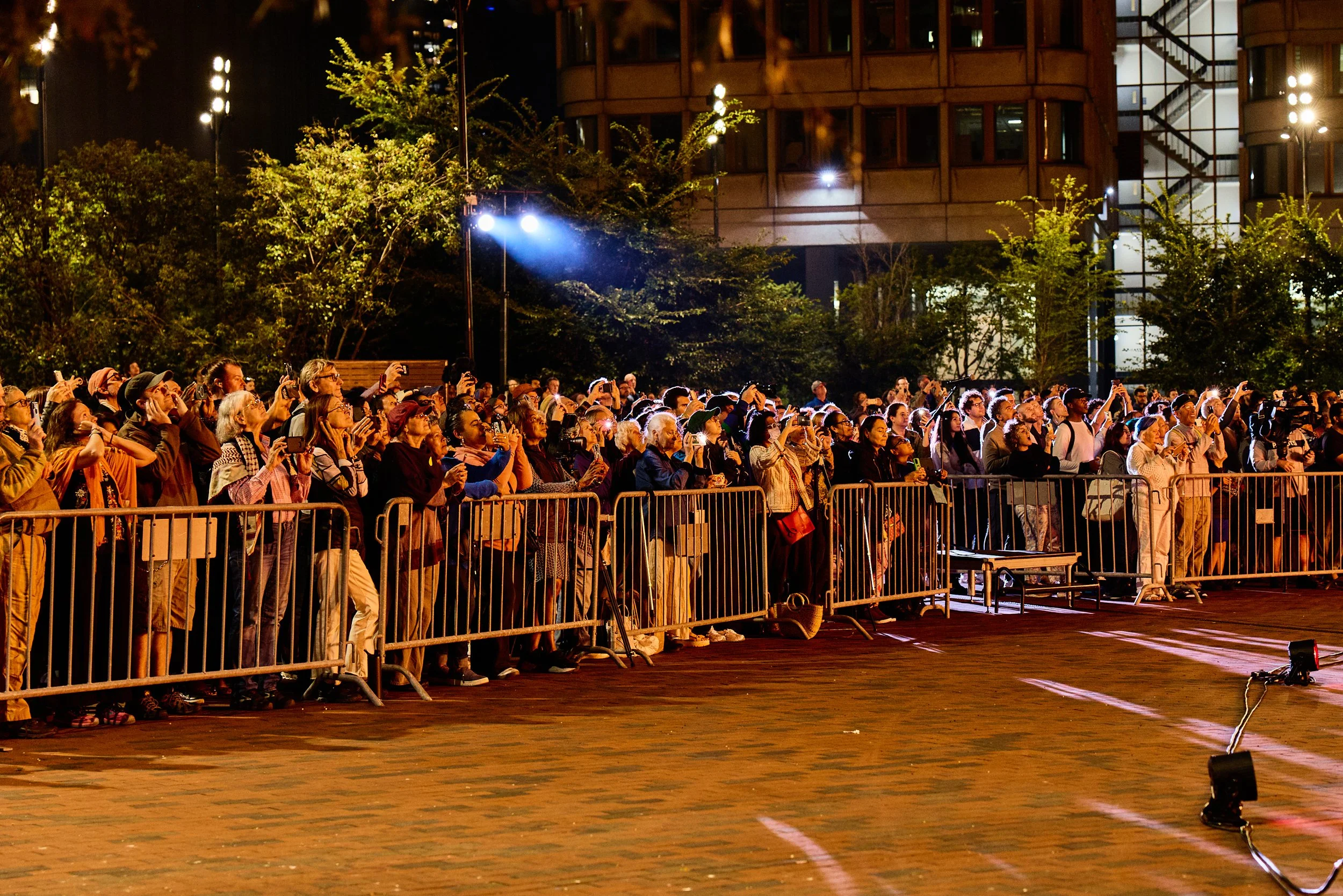
Between May 22 and October 31, 2025, Triennial 2025 drew 2.7 million in-person views of artworks, 1.1 million in-person interactions, and over 2 billion in-person and digital impressions.
While the exhibition is closed, two works by Ekene Ijeoma, Stone Circle Bench, one located at Roxbury Community College in Roxbury and another at Dr. Loesch Park in Dorchester, will remain on view through 2026.
Read the full closing press release here.

Artists and Representations
Triennial 2025 featured 136 artists curated by Artistic Director Pedro Alonzo and Curator Tess Lukey for the Triennial, 3 artists selected through the Public Art Accelerator, and 4 curated by area cultural institutions, and one site of permanent public art.
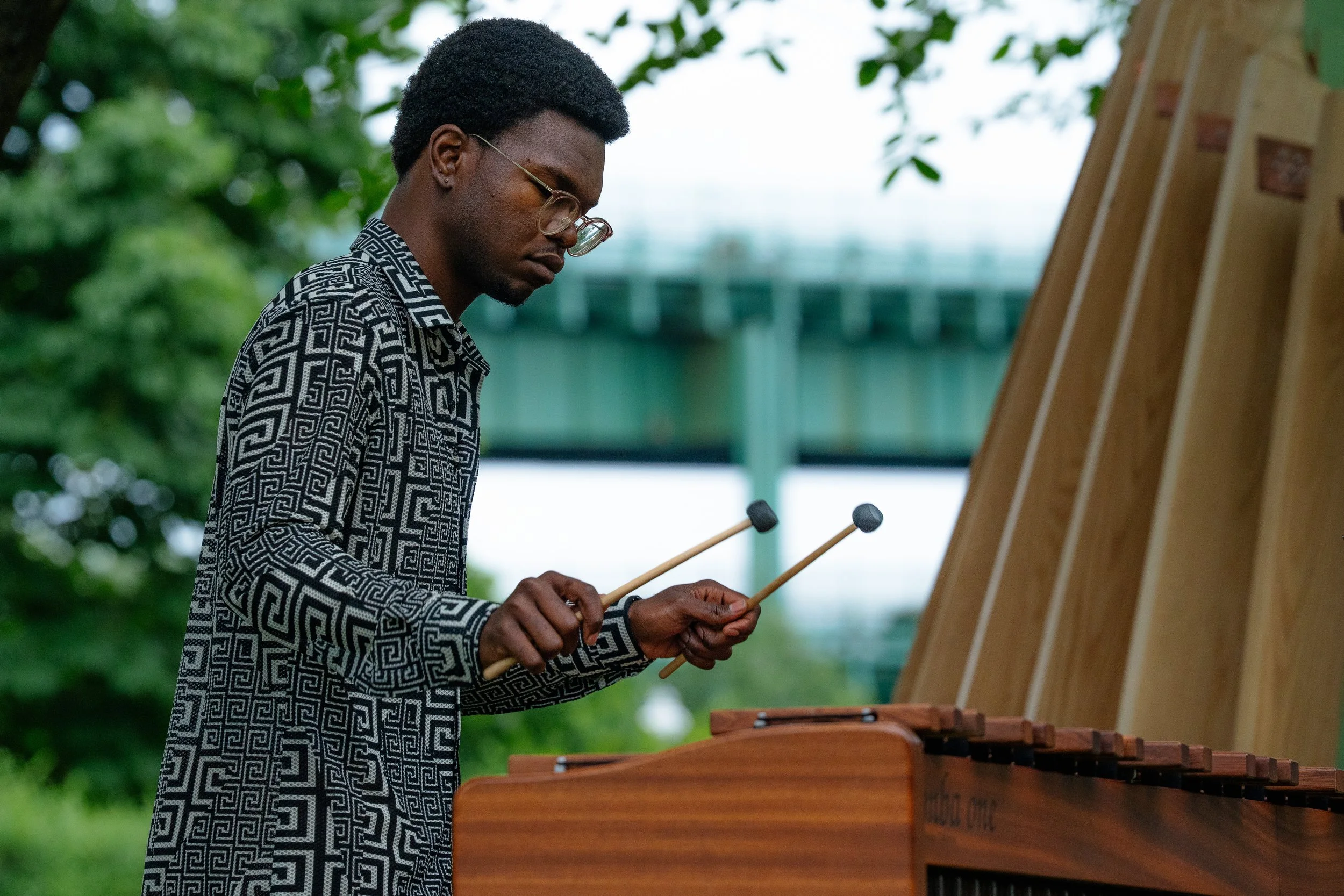
Over 75% of the artists identified as BIPOC, and 30% are from the Greater Boston area. Their works ranged from immersive sound installations and participatory rituals to sculptural interventions and performance. Together, they reflected the city’s complexity, with artists rooted in Boston’s beloved spaces addressing questions of belonging, environment, and shared space.
Learn more about the Curators’ vision and process here.
Geography and Participation
Over six months, Triennial 2025 connected artists, neighborhoods, and partners in ways that redefined what public art can do for Boston.
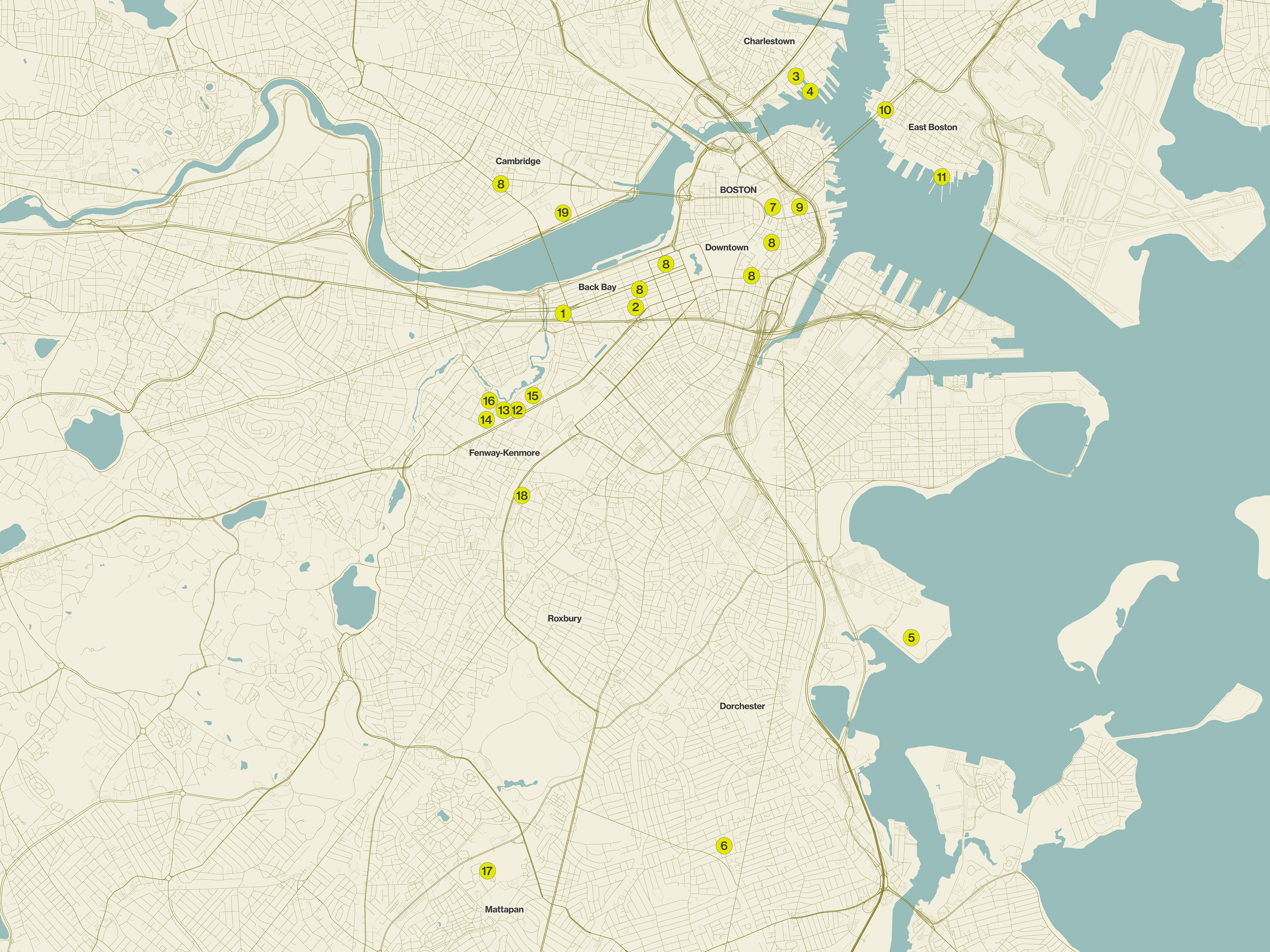
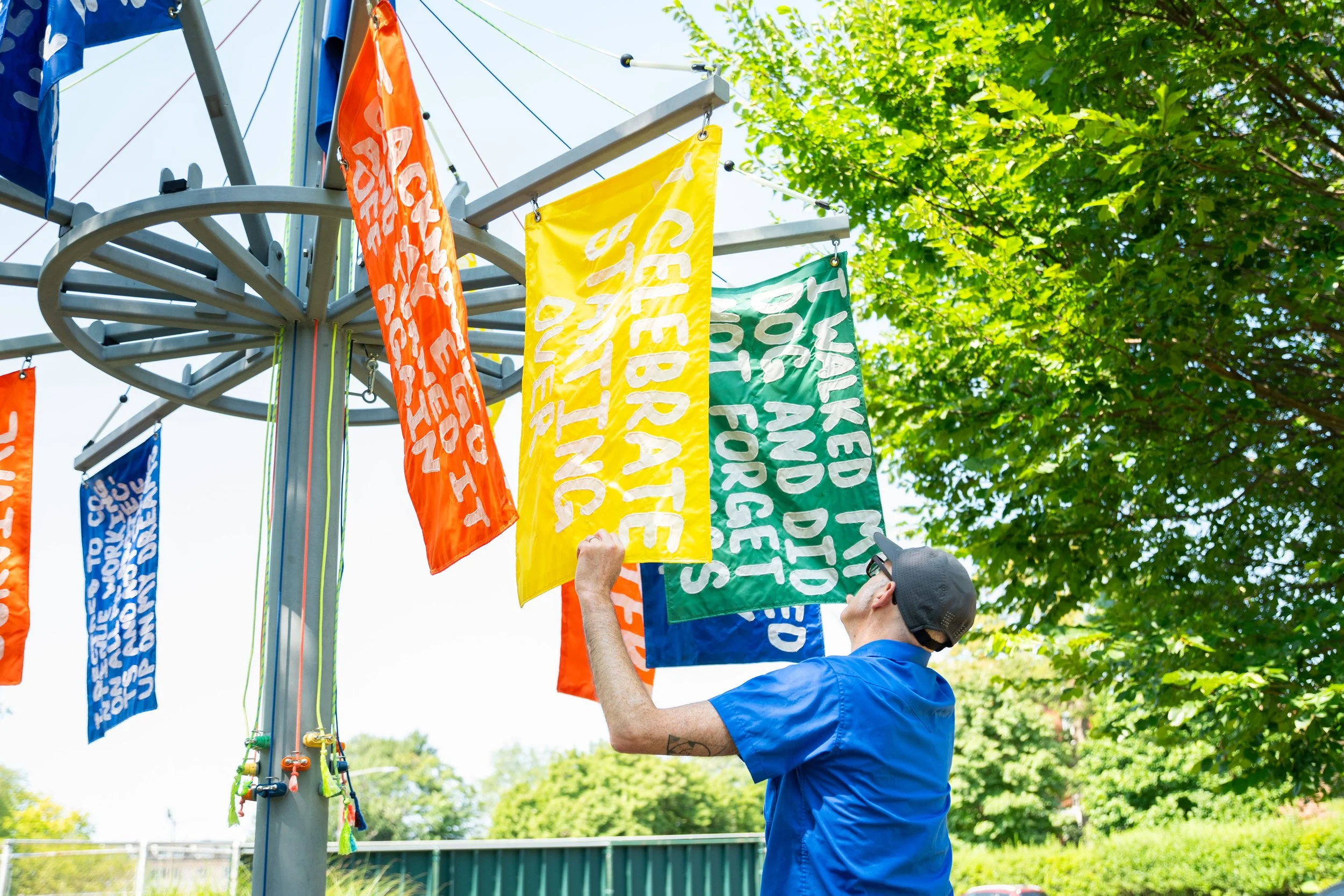
20 public artworks
Artwork locations spanned Boston’s diverse neighborhoods, from East Boston to Mattapan, with easy-to-reach projects in Boston’s downtown area.
75 Cultural Partners and 115 free events
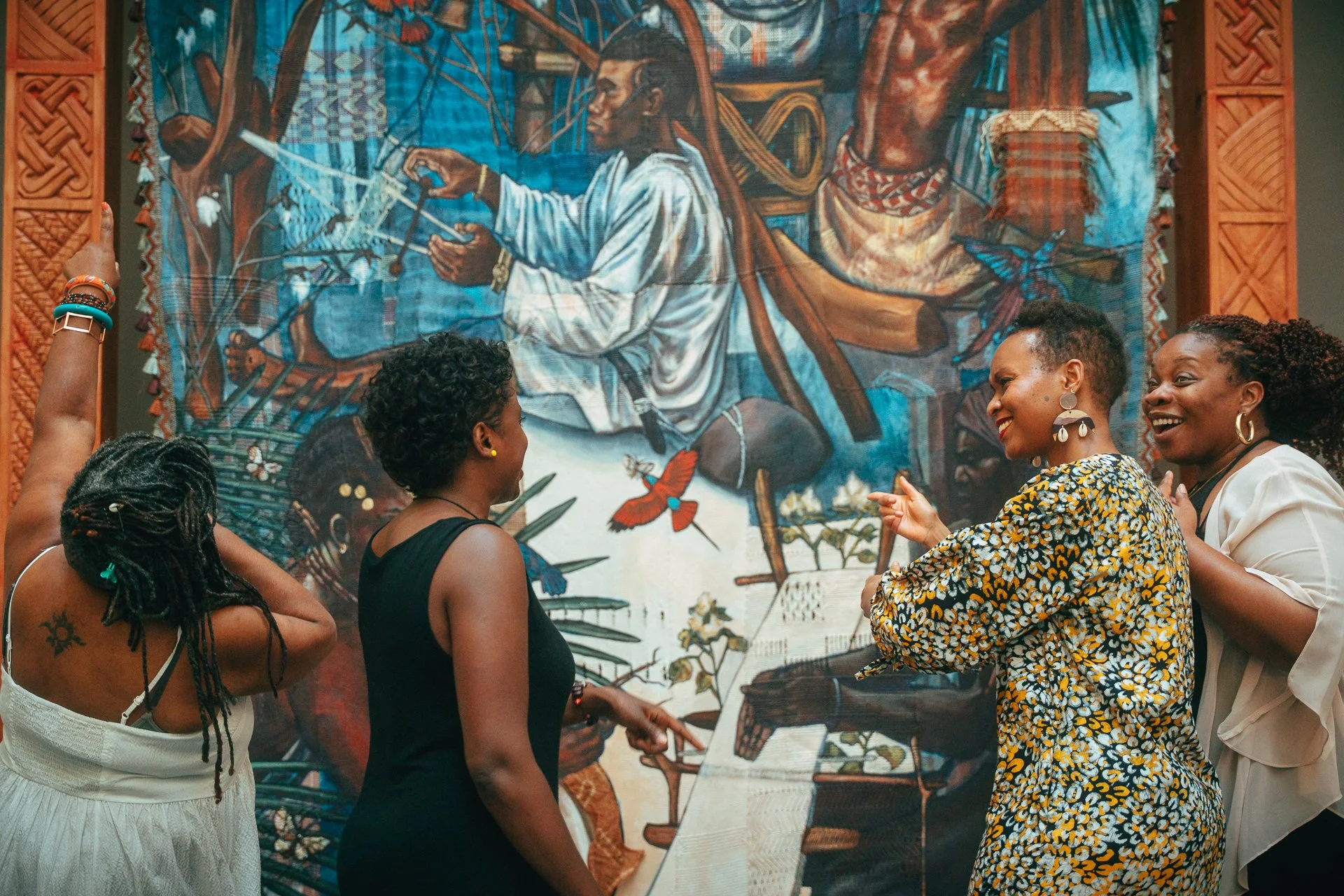
Museums, schools, libraries, and community groups collaborated to bring art to life. The Triennial supported the inclusion of Boston-based visual arts, performing arts, community services, climate advocacy, youth service, and other aligned organizations with over $140,000 in participation stipends.
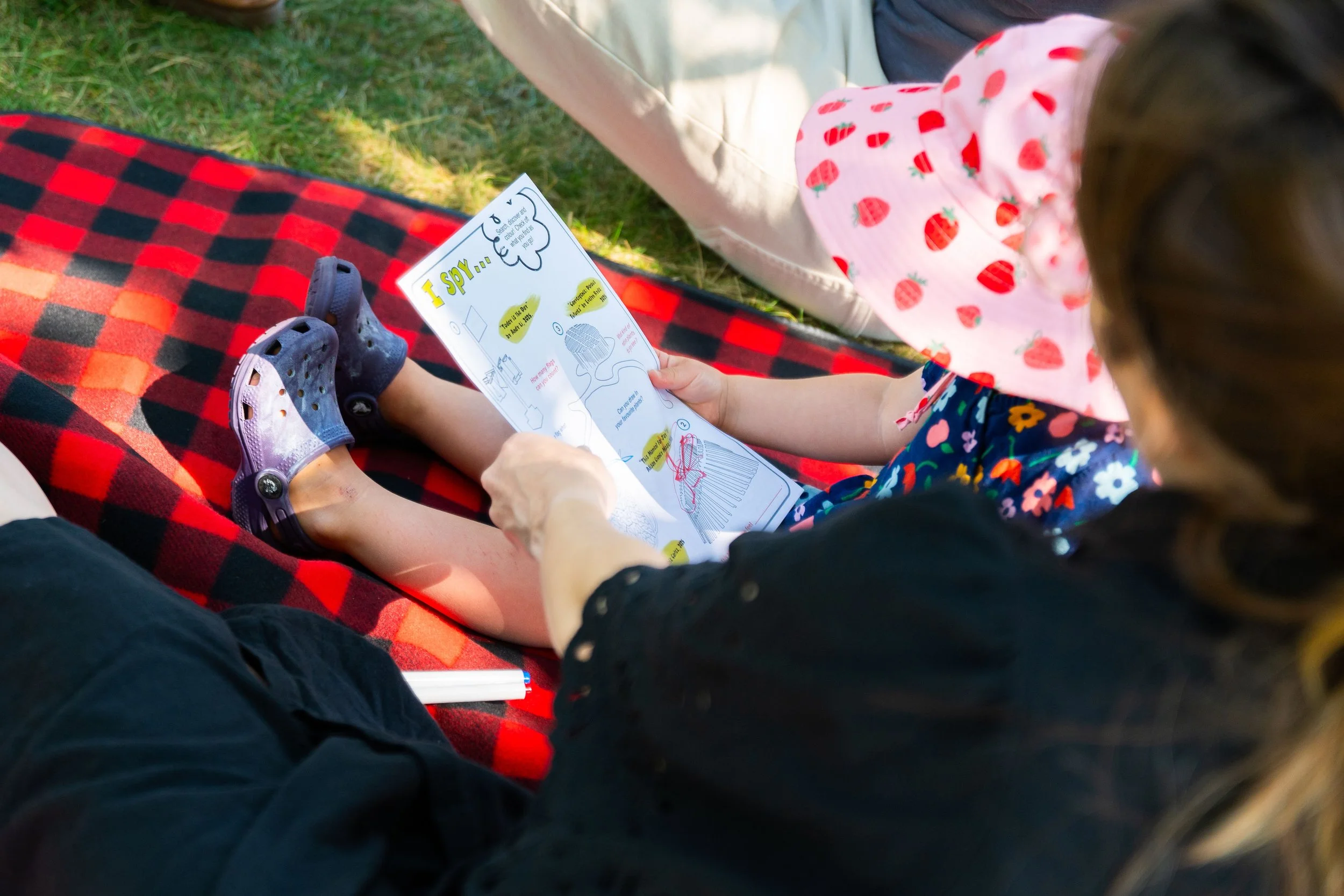
Access was at the heart of the Triennial, bringing art to where people already are and creating moments of connection in everyday spaces.
Community and Collaboration
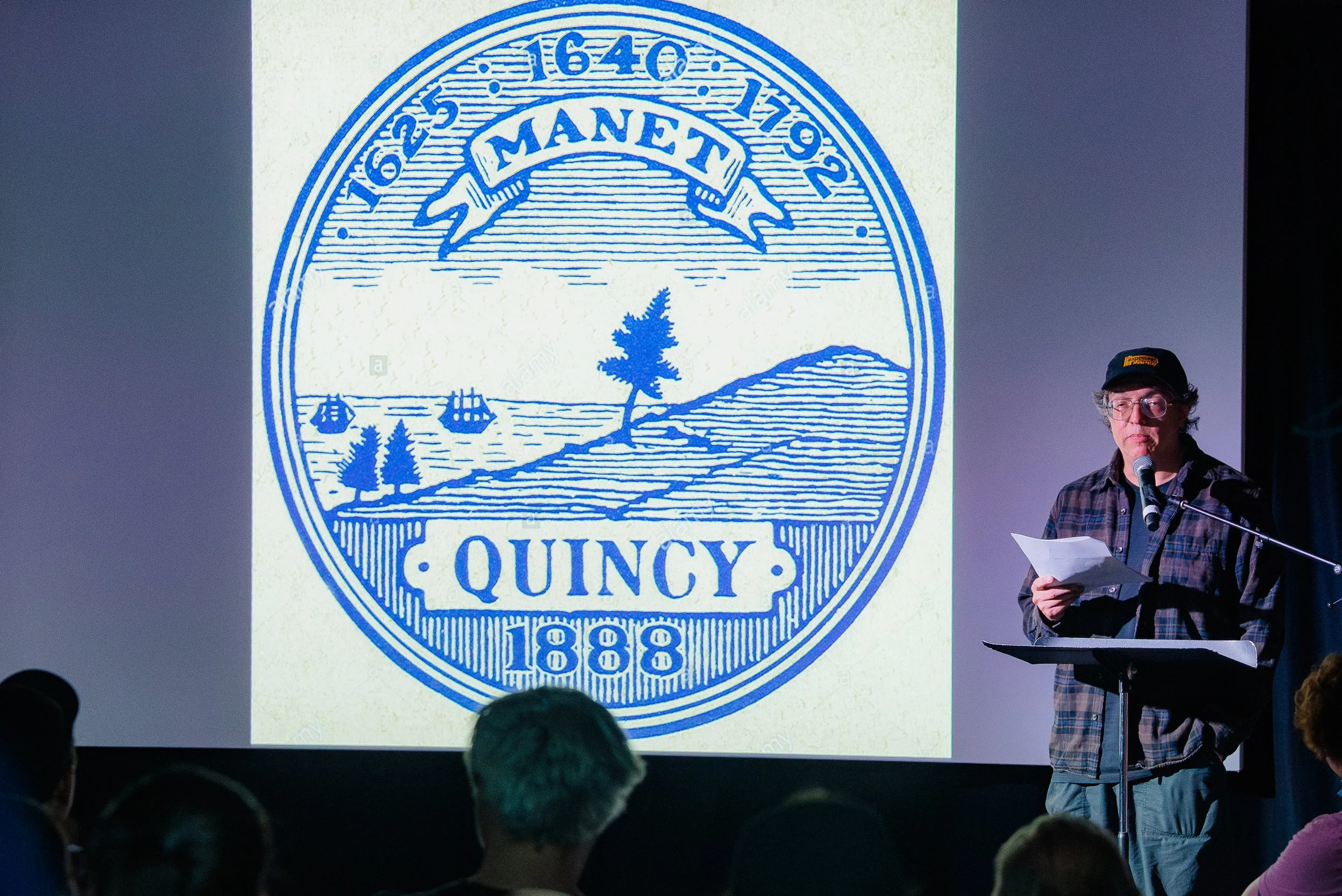
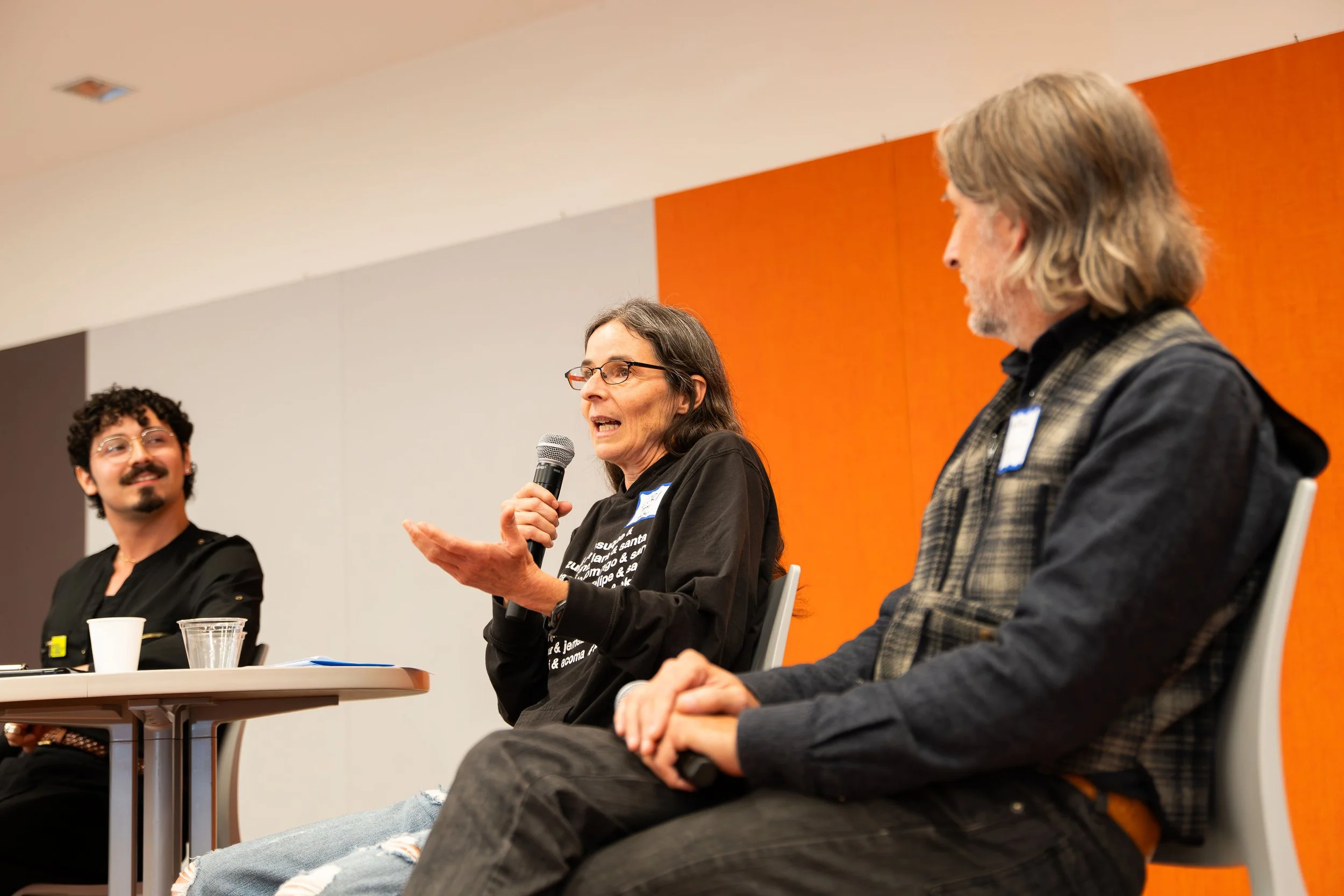
At its heart, Triennial 2025 was about people coming together—artists, partners, and neighbors shaping ideas for public spaces. Each project carried the fingerprints of collaboration, built on trust, care, and conversation that continues across the city today.
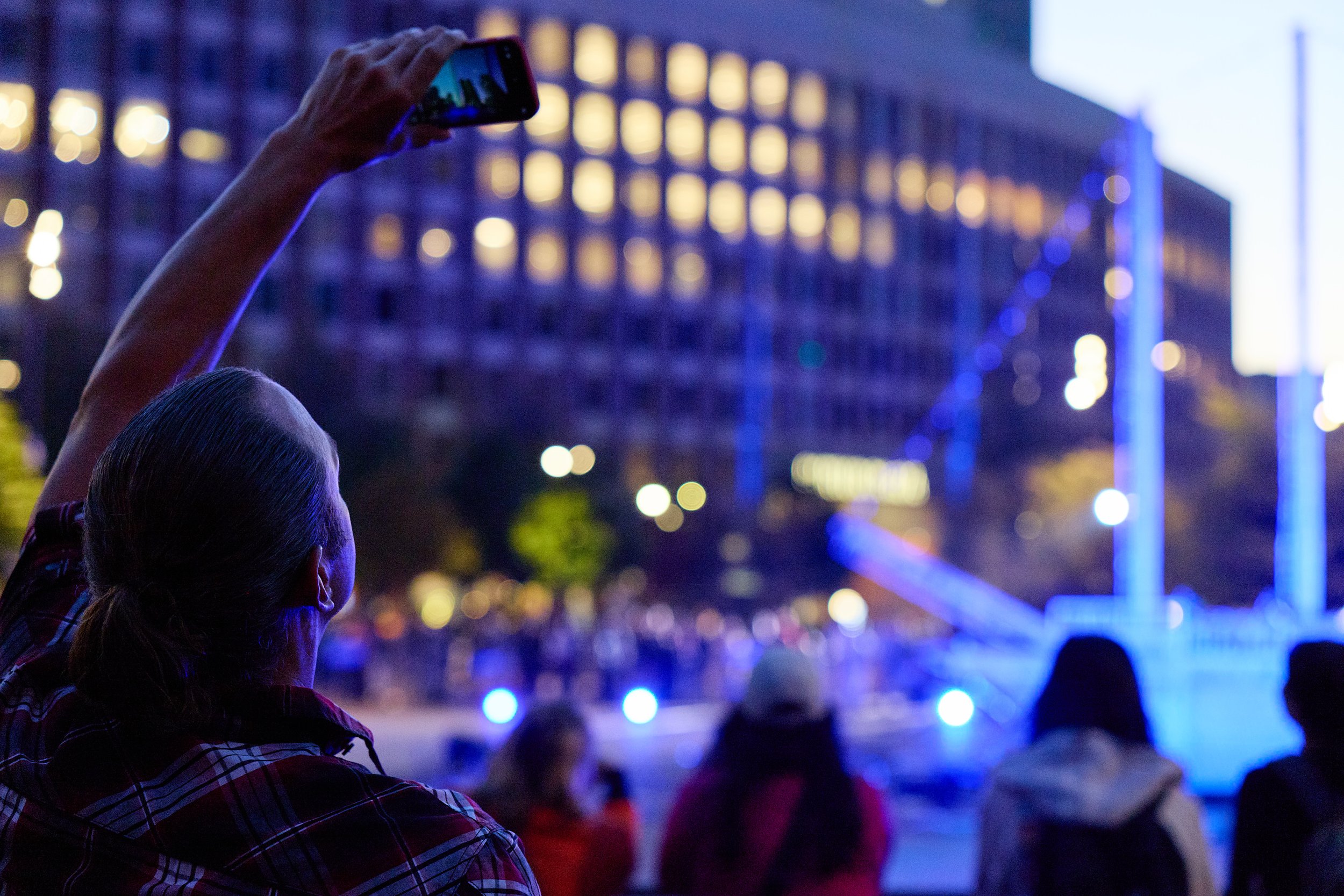
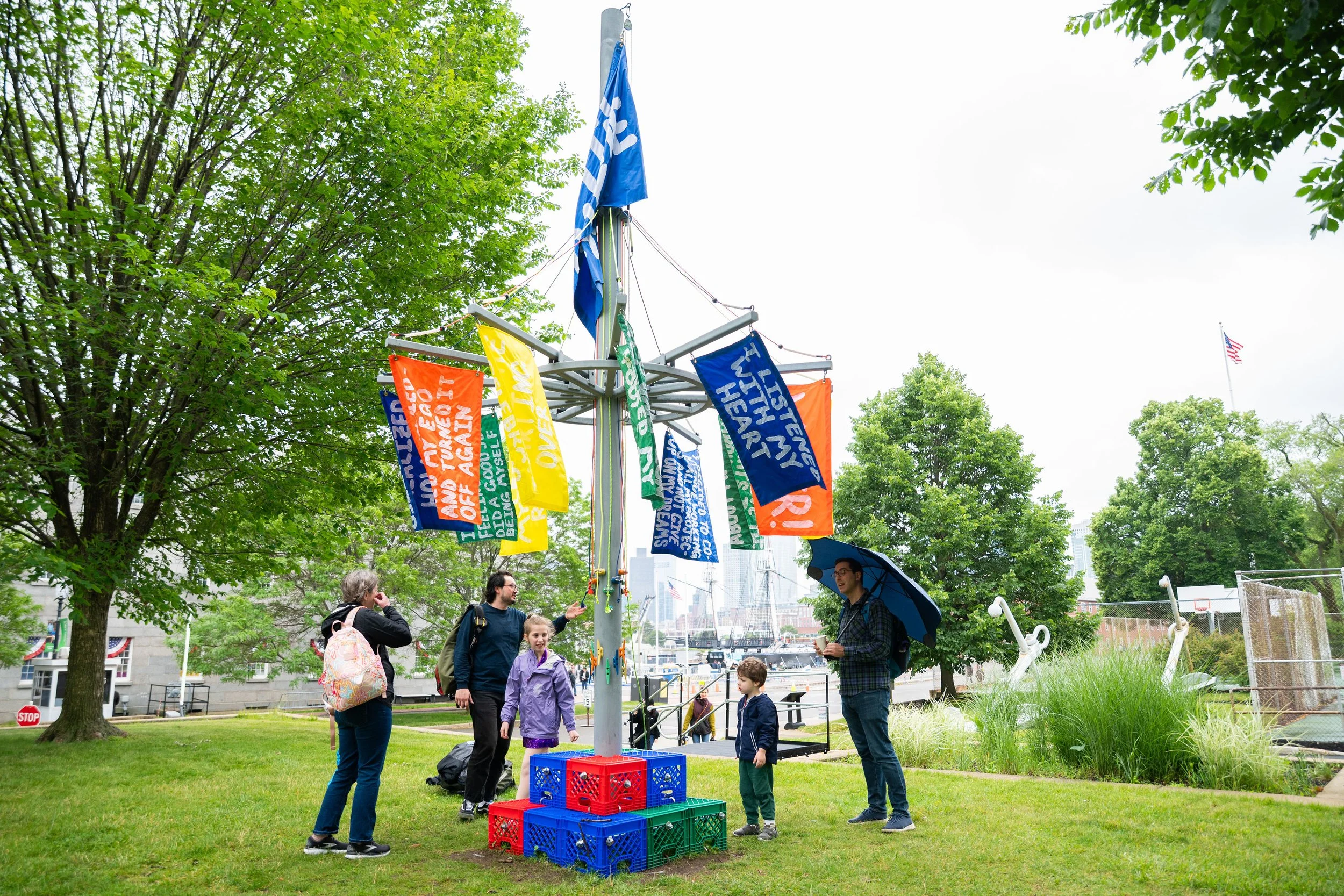
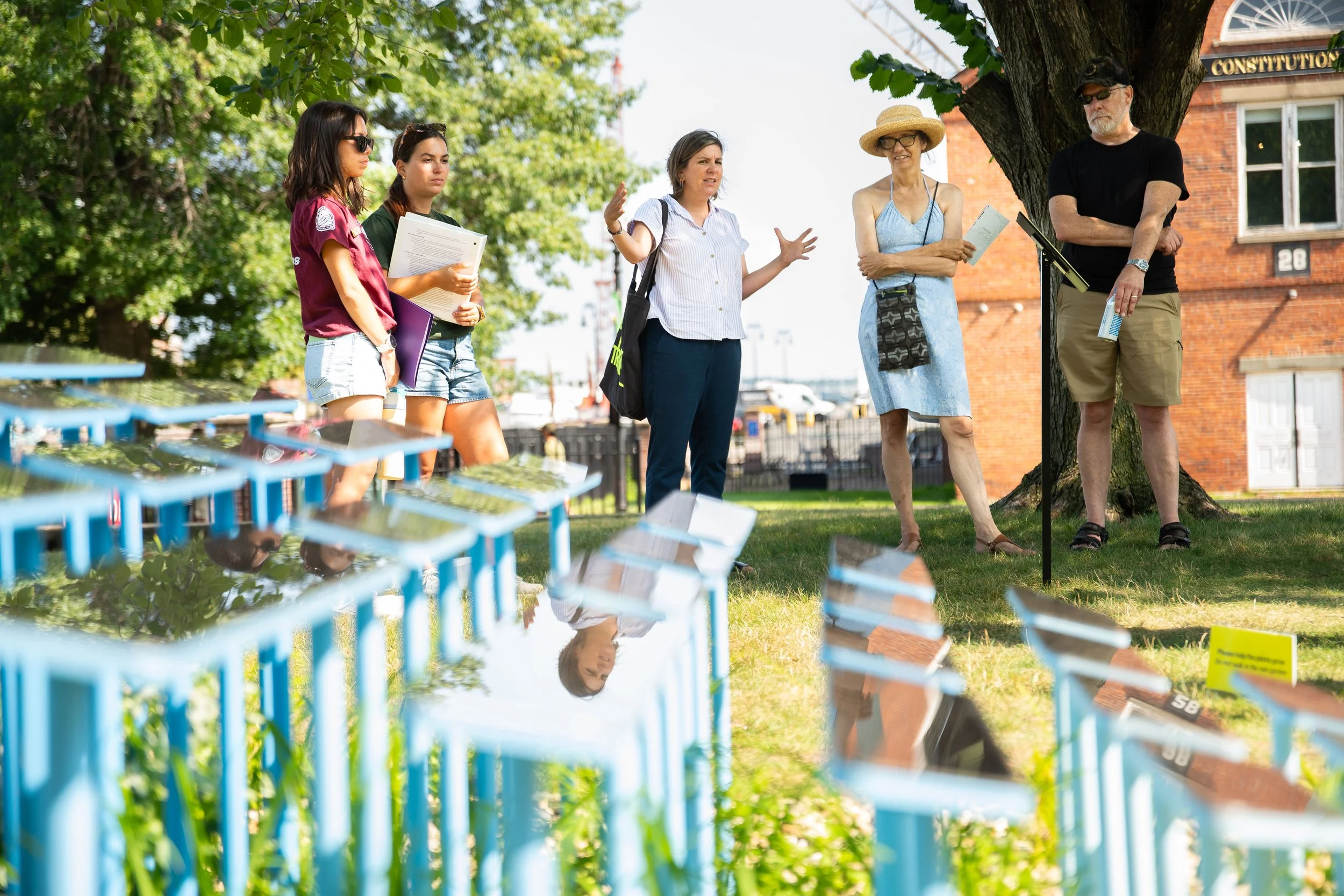
Over 500 funding partners, from individuals to corporations to institutions, helped make this all possible. Please help us thank them!
Press and Recognition
The Exchange sparked a citywide and national conversation about the role of public art in public life. Coverage across major outlets, including The New York Times, Forbes, Observer, Frieze, Sculpture Magazine, and The Boston Globe, amplified Boston’s public art story, reaching audiences far beyond the city. While local press GBH, WBUR, WCVB, Art New England, El Mundo Boston, Misstropolis, and Boston Art Review made sure locals knew the exhibition was built for and by fellow Bostonians.
Highlights:
309 pieces of media coverage across print, digital, and social
146 regional features
52 national and international features
2 billion print and digital impressions
Read the reviews on our on our press page.

A Lasting Legacy
While Triennial 2025 has come to a close, its impact continues. Many projects remain visible across the city, and others live on through new relationships, collaborations, and ideas sparked during the Triennial.
If you were moved by Triennial 2025 or have suggestions for helping us shape Triennial 2028, please take a moment to share your thoughts with this survey.