
Welcome Board members Stephen Hamilton and Mark Lavoie
The Boston Public Art Triennial (The Triennial) is thrilled to welcome Stephen Hamilton and Mark Lavoie to the Board of Directors. Both proponents of public art, yet hailing from very different fields, Hamilton and LaVoie bring fresh energy to The Triennial. Keep reading to hear from each new member about their relationship to public art.
Stephen Hamilton, Artist
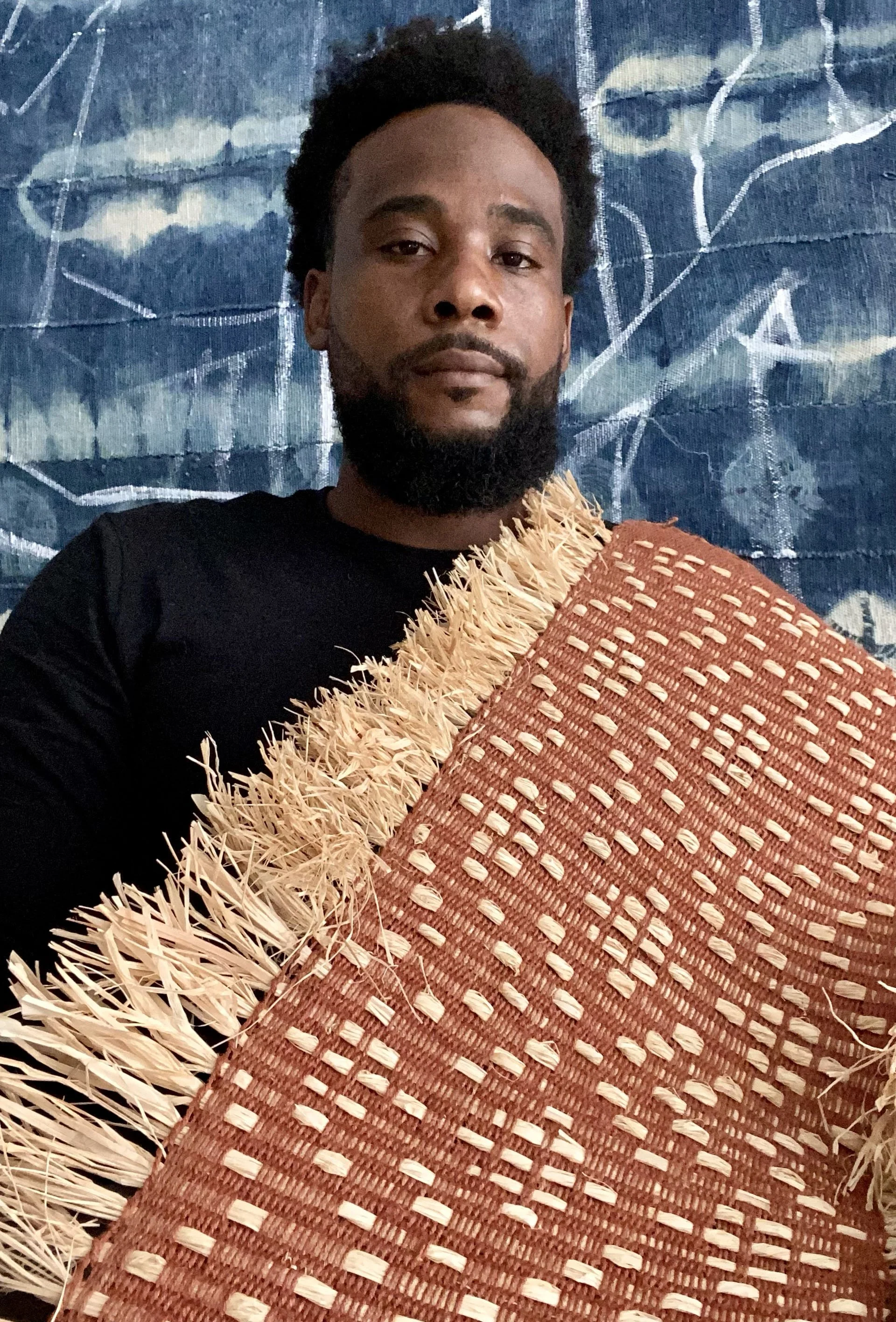
Q: As a Public Art Accelerator alum, what is the most important takeaway you had from the program?
A: For me, it was coming to understand all the work necessary to make a public installation happen. Understanding the balance between the patience and persistence necessary to do this kind of work has been crucial for future projects. Completing The Founders Project had been a dream of mine for some time at that point; it allowed me to dream bigger and think critically about how to work at that scale.
Q: What do you think is most valuable about the Accelerator program for early-career Boston area artists?
A: Logistically, so much goes into creating community-based works that makes it difficult for emerging artists to bring projects to fruition. The Accelerator program offers the organizational, financial, and institutional support necessary to experiment with public art projects. Artists interested in community-based projects can take what they have learned from the experience and apply it to future projects, including larger-scale permanent installations. Completing an Accelerator project can be a crucial stepping stone for artists who have unfortunately been long overlooked in the city.
Q: You were also a Triennial 2025 artist. Where did you see or feel the exhibition's greatest impact in our city?
A: There were numerous pieces that I think were incredibly successful. The Sibylant House by SWOON was both beautifully executed and well thought out, with its location in the Copley Library. The Lot Lab installations by Alison Croney Moses, Andy Li, and Evelyn Rydz were thoughtfully executed and placed. It was a joy to watch visitors, especially children, engage with the work enthusiastically each time I visited the Charleston Navy Yard. It made me incredibly proud that the Boston artists, particularly the Accelerator artists, created such successful and deeply engaging work. A standout for me was Ñ Press by Gabriel Sosa. It was an excellent example of social-impact community-based artmaking that both engaged the community it was based in and brought in visitors from around the city. It was work that created a lasting experience for visitors.
Q: What change do you hope Triennial 2028 will bring to Boston?
A: I'm hoping that the Triennial both highlights the amazing work of public artists in the city and invites artists from across the country to meaningfully collaborate with communities to produce art that is beautiful yet thought-provoking, both deeply grounded and impactful. Boston is such a creative city with a rich and complicated history. The Triennial has the potential to make Boston part of a national conversation regarding the importance of public art.
Mark LaVoie, Managing Director, Global Head of Public Relations, State Street
Q: What is the most important thing about The Triennial?
A: Accessibility. The Triennial brings extraordinary art into the places where people already spend their lives. You don’t need to buy a ticket or plan a special outing. You can stumble across something that makes you stop, think, or see Boston differently. That’s what makes public art so powerful.
Q: What can public art do for a city?
A: Public art has the ability to change how people experience a city and gives it an identity. It can create moments of surprise and joy, encourage conversation, and help people feel more connected to home. The cities I remember most are the ones that embrace creativity and make it part of everyday life, and public art is one of the best ways to do that.
Q: How can growing up in a public art city impact future generations?
A: If you grow up in a city where art is part of everyday life, creativity is much more normal. Kids become curious, ask questions and learn to look at the world from different perspectives. I think that’s incredibly valuable because those qualities create artists, good neighbors, engaged citizens, entrepreneurs, and leaders. Public art helps shape the way people think about their communities.
Q: What change do you hope Triennial 2028 will bring to Boston?
A: I hope people begin to think about Boston differently. We’re known for our history, our universities, and our innovation. I’d love for us to be equally well known for our commitment to public art and creativity. If Triennial 2028 inspires more investment in artists, encourages more people to explore neighborhoods they haven’t visited before, and leaves Bostonians feeling a little more connected to one another and to their city, I think that would be success.
