
Making Public: The Convening
As Triennial 2025: The Exchange drew to a close earlier this year, we began looking forward. After six months of public art, performances and interactive events, the exhibition concluded in the only way it could: with a conversation.
The Triennial 2025 Convening; Making Public invited anyone inspired by public art to come together – artists, educators, community organizers, neighbors, and the simply curious. Held at Roxbury Community College,the day celebrated the collective effort behind Triennial 2025 and opened a space to imagine, together, the vibrant public art future of Boston. Conversations flowed and inspiration took root. Speakers and attendees alike exchanged ideas, pushed our understanding of public art, and even hit the dance floor.
Building a Public Art City
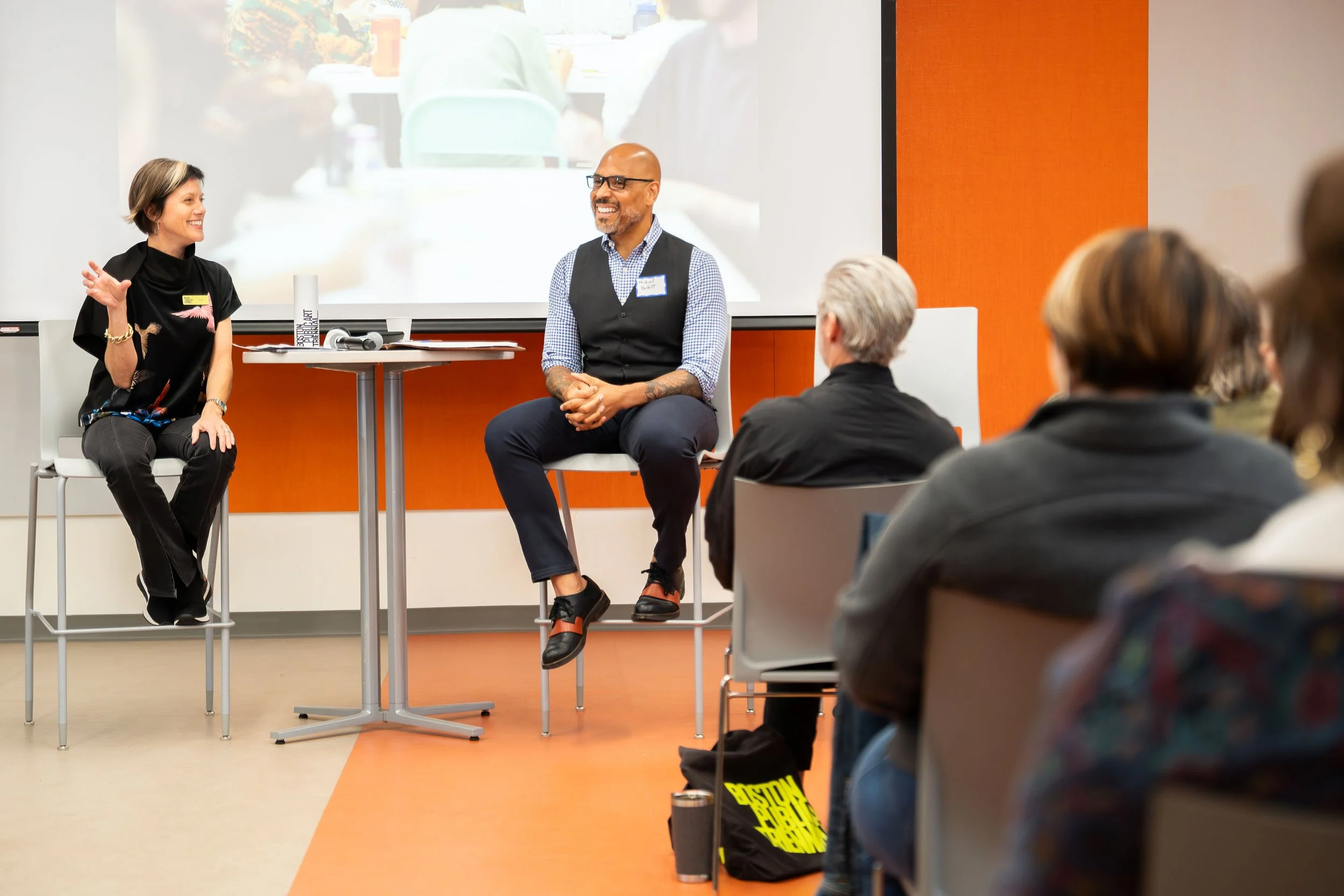
Making Public began with an introduction by Karin Goodfellow, Director of Transformative Art and Monuments for the City of Boston, and an open conversation between Michael Bobbit, Executive Director of Mass Cultural Council, and Kate Gilbert, Executive Director of the Boston Public Art Triennial.
Through a lively dialogue, the two celebrated learns from the Triennial, lessons for the future, the positive impact that bold public art has on Boston.
“Boston is alive right now. 21 projects, 19 artists, eight neighborhoods, more than 100 events. That’s not just art for art’s sake. That’s democracy,” Michael Bobbit said during the conversation.
From How to Why
The day included two panels to clue attendees into the process of making public art, from the how to the why.
Why How It’s Made? Boston Public Art Triennial
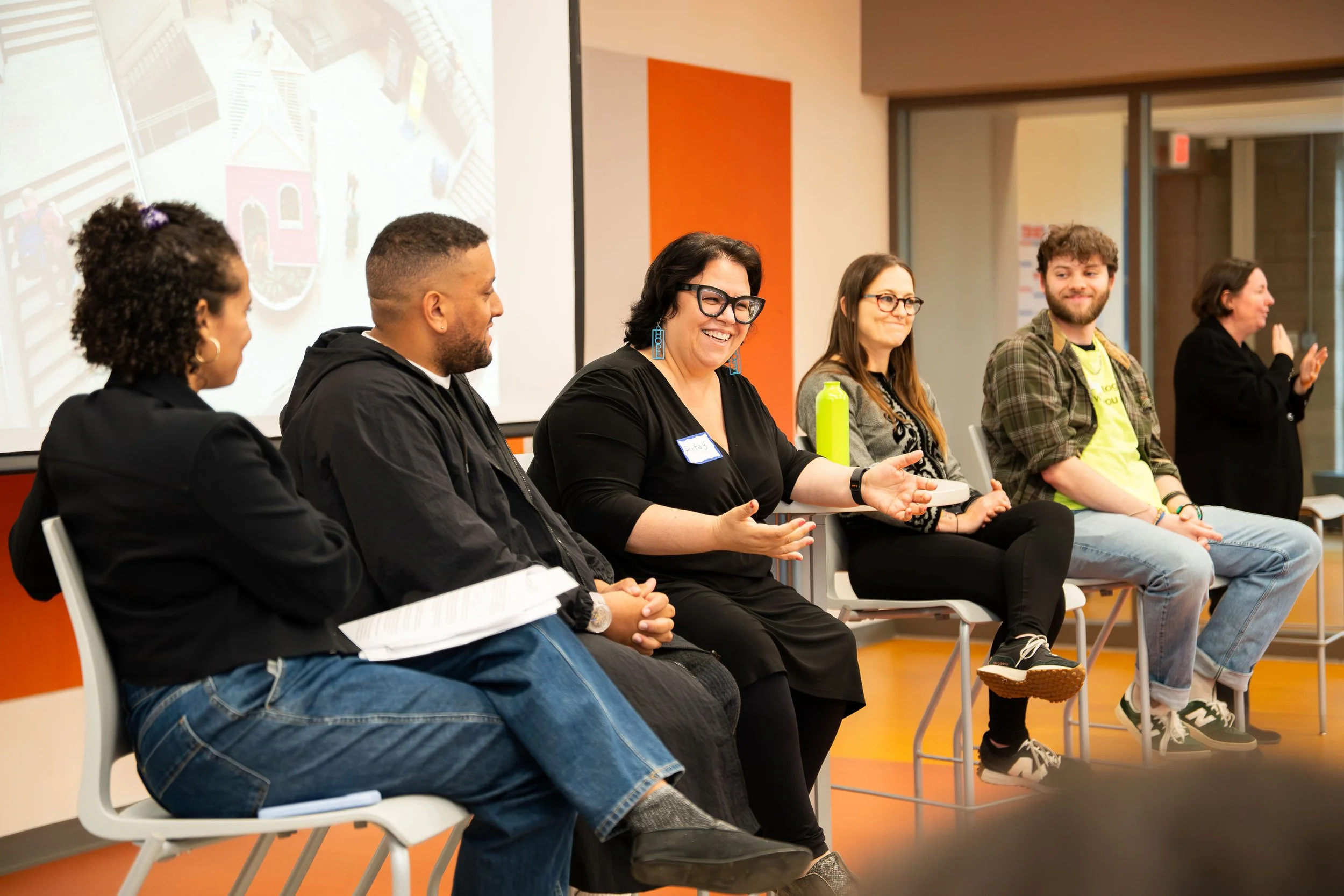
Introduced by Catherine T. Morris, Founder and Director of BAMS Fest, and moderated by Marguerite Wynter, Triennial Director of Partnership and Engagement, the first panel conversation brought together Adela Goldbard, interdisciplinary and Triennial 2025 artist; Joseph Henry, curator and Director of Cultural Planning for the City of Boston; Alex Leondedis, teaching artist and Triennial 2025 Public Art Ambassador; and Rita Lara, Executive Director of Maverick Landing Community Service.
From behind-the-scenes city work, to new ventures in youth artmaking, to collaborating across countries, to on-the-ground community engagement, panelists drew on their own experiences of making public art in Boston.
“I believe that trust and collaboration is always built by negotiation,” Adela Goldbard, whose team had to work around unexpected limitations to complete her Triennial project, said. “There are moments when you have to make decisions, there are moments when you have to negotiate, but there are also these impressive moments where everything comes together.”
Rather than walk through logistics of making a Triennial, the panel dived into what it meant to build a citywide exhibition in true partnerships.
Joseph Henry summed up the need for public art best; “Public art has the power to shift how we see the city –and how we build it next.”
How Why It’s Made? Public Art In Boston
Why make public art at all?
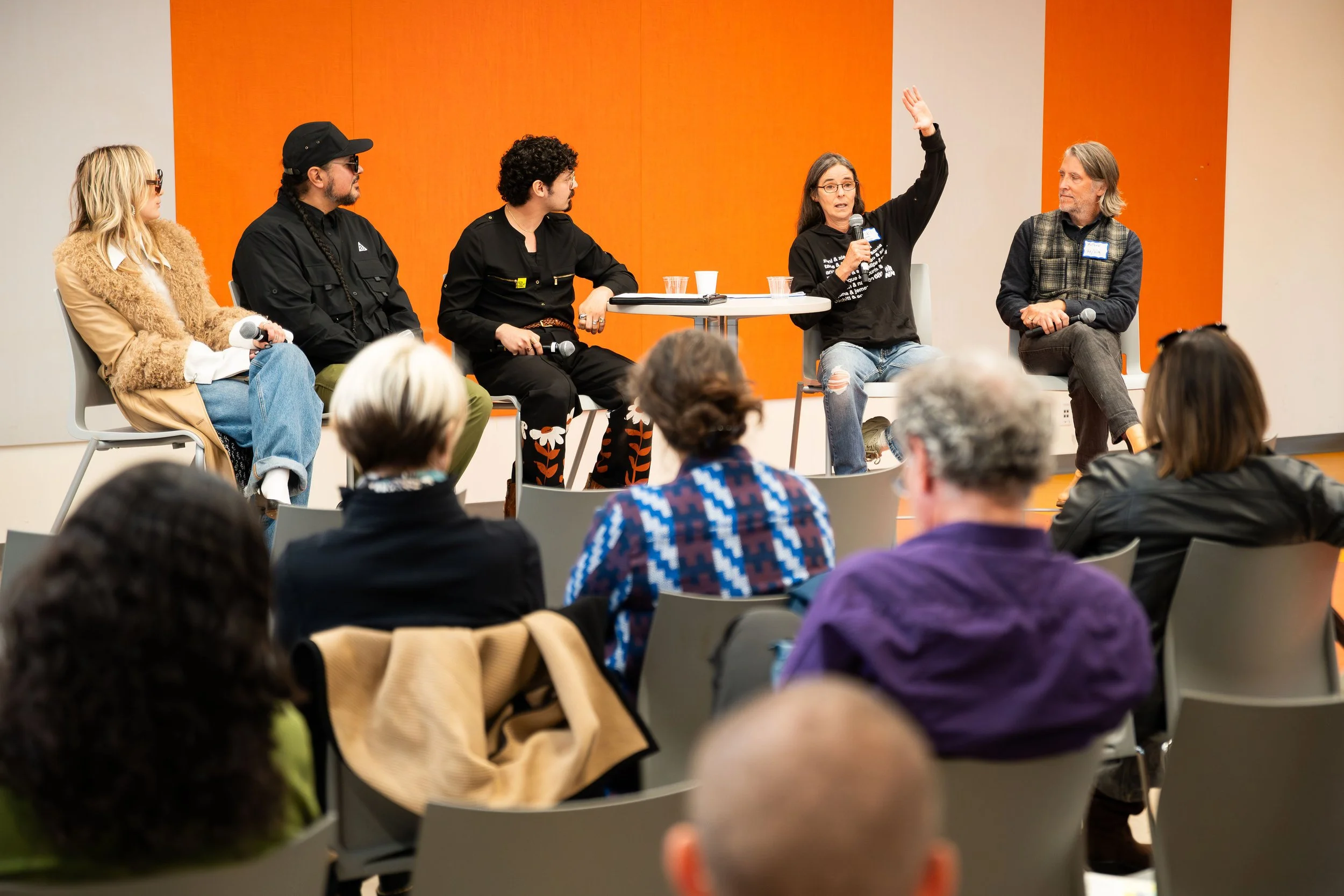
The second panel unpacked the intentions behind public art; who it serves, who gets to shape it, and how artists can stay rooted in place while navigating the complexities of production and permission.
Introduced by Kate Gilbert and moderated by Jasper Sanchez, Assistant Curator of the Triennial. Panelists Matthew Hinçman, Artist and Professor, Massachusetts College of Art and Design; Lori Lobenstine, Co-Founder of Design Studio for Social Intervention; Victor "MARKA27" Quinonez, street artist and Creative Director of Street Theory; and Alexandra Paul Zotov, administrator, producer, archivist, shared perspectives grounded in community organizing, street art, social practice, and cultural memory.
The conversation emphasized that public art isn’t just a finished object; it’s an ethos. It requires care, collaboration, and an understanding of the histories and lived experiences that define a neighborhood.
Roundtables on Closed-loop Systems
Accessibility is a core component of the Triennial’s mission, which strives to break open close-looped systems and bring new voices to the conversation. To increase access for attendees, the Triennial hosted two simultaneous roundtables.
In one room, Triennial 2025 Curator Tess Lukey and Executive Director Kate Gilbert, guided participants through the curatorial and thematic foundations of The Exchange, how the team shaped a citywide exhibition and what questions will guide the next edition.
In another, Leo Crowley, Triennial Project and Exhibitions Director, and Birgit Wurster, Senior Public Art Project Manager of the Mayor’s Office of Arts and Culture, led a discussion on public art permissions. Here, artists and organizers asked direct questions about timelines, approval processes, and navigating city systems, making the opaque more transparent.
Both roundtables offered rare behind-the-scenes access for anyone eager to understand how public art moves from idea to public space.
Dreaming Horizontally
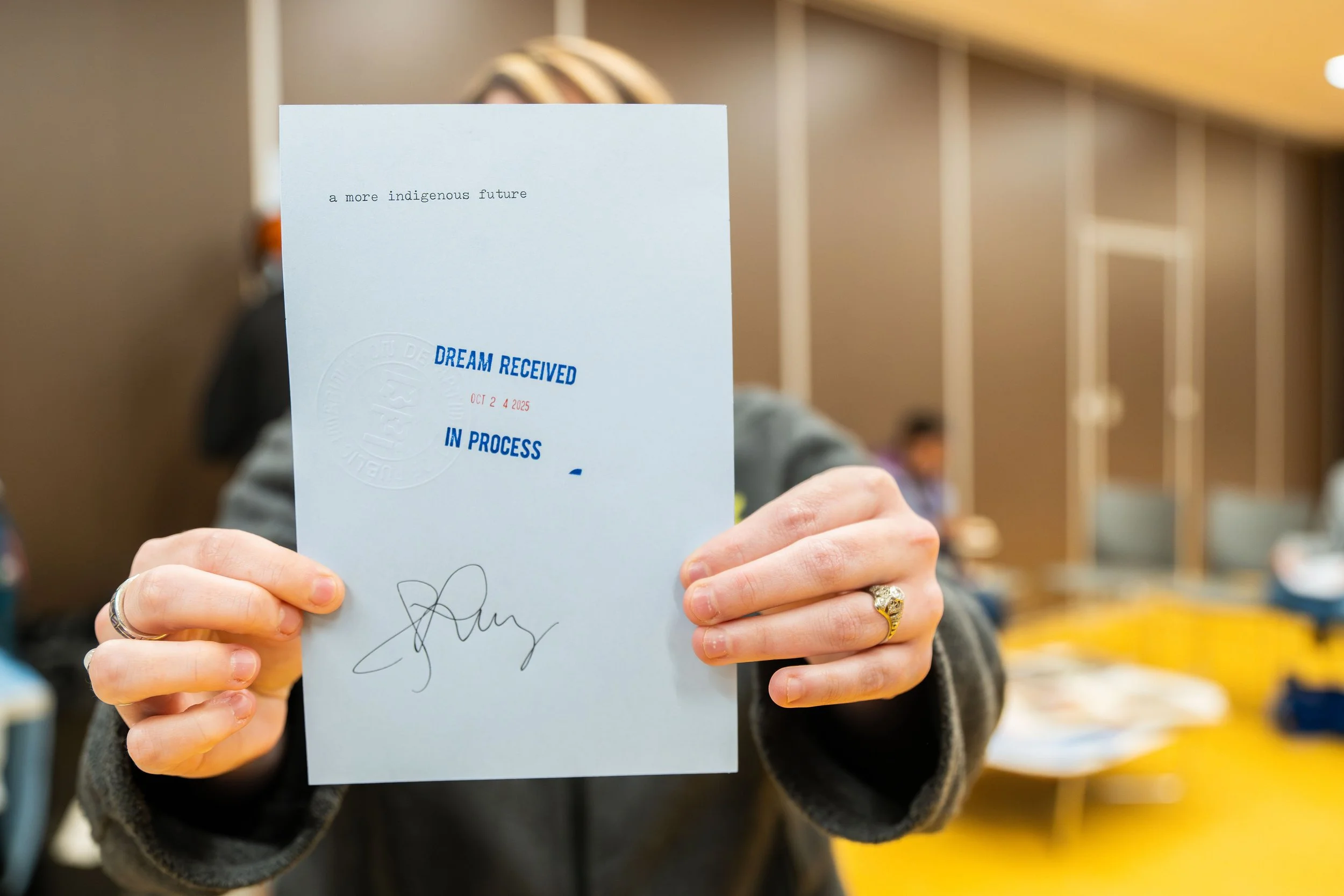
Throughout the event, participants and passersby could drop into the Department of Public Imagination to envision what they’d like to see in the future. To spark curiosity and inspiration, attendees were led through an imagination activation that ended with the opportunity to notarize a dream. It became a playful, thoughtful corner of the event that encouraged participants to imagine a public art city shaped not from the top down, but collectively.
Musical Moments
Making Public celebrated more than conversation; music and movement also provided a space community gathering.
Between the exchanging of ideas and reflection, attendees stepped outside for a musical performance by Steph Davis, acclaimed musician and cultural activist, whose rhythmic sounds from the gyil offered a moment of reflection, at Ekene Ijeoma’s Stone Circle Bench 2. The buzzing sounds of the instrument, thought to bring balance to those listening, provided an auditory that mirrored the themes of gathering, listening, and community.
And as the day closed, A Trike Called Funk transformed the conversation into a party. Together, attendees got on their feet and danced as a final celebration of a more vibrant, equitable, and inclusive Boston.
